
What Are Nursing Clinicals? Benefits and What to Expect
November 23, 2021
Blog Updated on January 5, 2026.
Whether in the process of obtaining a nursing diploma, a Bachelor of Science in Nursing (BSN) or a Master of Science in Nursing — Family Nurse Practitioner degree, students participate in nursing clinicals. This hands-on experience allows future nurses to apply the knowledge and skills they learn in the classroom to real-world situations.
While students are likely to be excited about their future careers, they may feel intimidated by the idea of clinicals. It can be helpful to take a step back and consider what nursing clinicals are, what to expect during the process and why they can be so beneficial.
Participating in clinicals means applying the knowledge from your courses to your own practice as a student nurse or student nurse practitioner (NP). This can prepare you for a fulfilling career helping patients manage and improve their health.
What Are Clinicals in Nursing?
Formal, academic settings play a significant role in helping aspiring nurses develop their medical and anatomical knowledge, while also cultivating a greater understanding of nursing ethics and patient care practices. However, nurses cannot learn everything they need to know in a classroom, which is where nursing clinicals come into play.
Clinicals allow students to gain hands-on experience and learn how to apply their classroom knowledge to real-world patient care. Clinicals also present students with a variety of nursing situations, allowing them to experience a breadth of different nursing specialties.
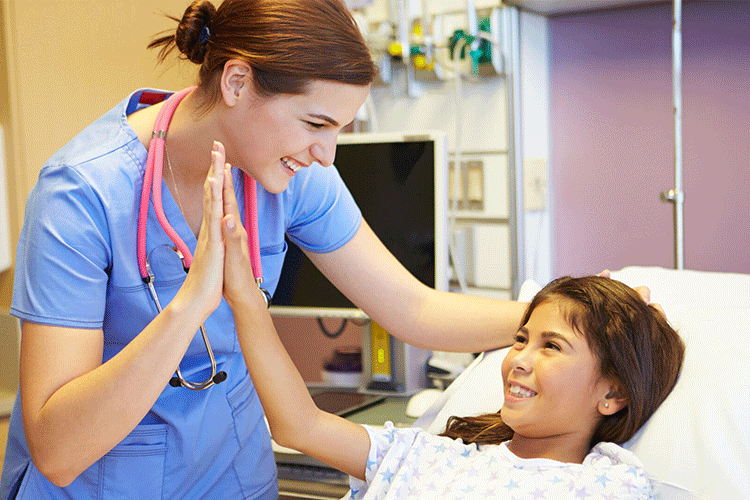
In clinicals, nursing students work with actual patients under the supervision of licensed nurse educators. During their clinicals, students can expect to participate in activities such as:
- Preparing patient rooms
- Screening patients for signs of health abnormalities
- Administering IVs
- Administering medication
- Setting up a catheter
- Taking diagnostics, including blood pressure
- Collecting patient symptoms and health histories

What to Expect During Nursing Clinicals
Through nursing clinicals, students have the opportunity to integrate their course knowledge into their practice. Students develop and apply their skills in physical assessment, diagnostic reasoning and disease management.
Preparation for clinicals can depend on where the student is in their nursing journey. Students striving for a registered nurse (RN) role typically take foundational science courses such as anatomy and microbiology. Those working to transition from an RN to an NP will commonly take courses in advanced physical assessment and advanced pathophysiology. Nursing clinicals help students apply their new knowledge — they’re intended to bridge the gap between nursing theory and practice.
NP clinicals also benefit students by providing exposure to various clinical settings and patient populations they’ll work with as NPs within the scope of their program.
What Is a Preceptor?
A preceptor is an experienced advanced practice nurse who has entered into an agreement with a student and their school to supervise, guide and teach them as they learn and apply their nursing knowledge in clinical settings.
In NP programs, students have multiple preceptors throughout their program of study to ensure exposure to the full scope of the NP role and the populations they’ll be serving.
Having various preceptors is helpful to students as it provides the opportunity to see the unique approaches experienced NPs and other health care providers take. Each preceptor’s approach exposes students to a breadth of experience as they build their own competencies.
What Will My Day-to-Day Look Like?
During clinicals, NP students work to progressively build their advanced practice skills alongside their preceptors. Students build confidence and assessment and diagnostic skills as they incrementally take on more of the workload in each clinical setting while under the supervision of their preceptors.
It’s important to remain flexible during NP clinicals because each preceptor has a unique teaching and mentoring style. Some may prefer that you observe for your first few days of clinicals. Others may prefer you to dive right in and begin assessing patients on your own.
Prior to beginning clinicals, it’s important to have a discussion with your future preceptors to establish a plan and voice each of your expectations. NP clinicals are very different from BSN program clinicals, and that difference requires some adjustment.
Your preceptors will supervise you while you see patients, as they ultimately bear the responsibility for their treatment. Depending on your preceptors’ preferences, they may perform physical assessments simultaneously with you or afterward.
After collecting the chief complaint, history of present illness and relevant medical history and performing your assessment, you’ll formulate a list of potential diagnoses and decide whether labs or imaging are needed to aid the diagnostic process and treatment planning.
Most preceptors ask the student what they would order for the patient — medications, therapies, education, referrals to specialists and so on. After detailing your proposed treatment plan, your preceptor will make suggestions based on how they’d treat the patient. It’s important to be open to constructive feedback during clinicals because learning from experienced providers is a valuable opportunity that’ll help you improve your practice.
In settings such as women’s health and urgent care, there may be more opportunities to perform new skills, such as conducting gynecological exams and suturing. Your preceptors will likely have you observe them performing specialty exams and procedures several times prior to allowing you to perform the skill under supervision.
How to Prepare for Nursing Clinicals
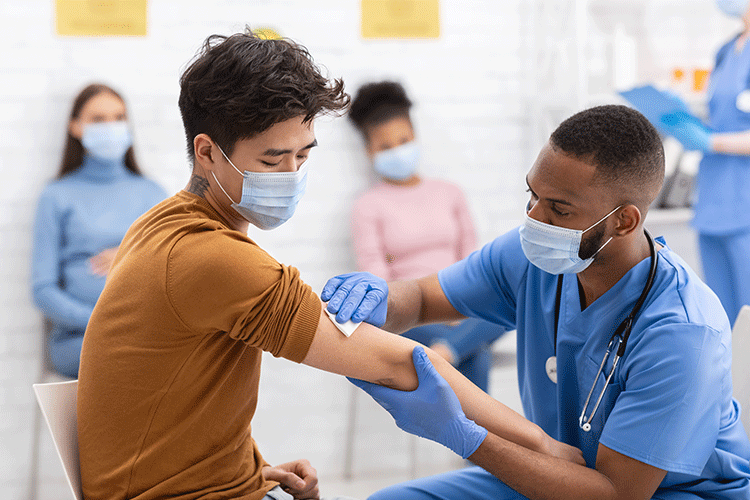
As a family nurse practitioner student, clinical experience can involve a diverse array of responsibilities and tasks. At Walsh University, students begin their clinicals with standardized patients in a simulation lab. You’ll begin by introducing yourself to the patient and then perform a head-to-toe history and physical. Experienced physician graders will be present to provide feedback on your assessment and interaction with the patient. The standardized patients will also provide valuable feedback to help you improve your nurse-patient interaction and prepare you to one day practice independently as a nurse practitioner.
After participating in the patient simulation, you will begin clinical orientation. You’ll discuss clinical expectations with your preceptors, nurse practitioners who supervise and guide your clinicals, and your faculty members.
Once you’ve participated in clinical orientation, you’re prepared to begin clinicals with your preceptors. You’ll see patients with the guidance of your preceptors, performing history and physicals and learning about diagnosing, treating and educating patients. You’ll have to complete a certain number of hours of clinicals each semester with your preceptors and will be responsible for maintaining clinical logs and keeping track of your time in clinicals.
The Benefits of Nursing Clinicals
It’s crucial to understand what nursing clinicals are and how they affect your nursing education. There are a number of practical advantages to participating in nursing clinicals.
Bridging the Theory-Practice Gap
Clinicals serve several purposes. Students gain hands-on experience assessing patients in an environment where they are guided and supported by their preceptors. Gradually, students will begin to feel more comfortable in their new role as future nurse practitioners. The experience and knowledge students gain from participating in clinicals help enhance their professional and clinical decisions. Clinicals help students navigate the theory-practice gap and apply their knowledge to their practice.
Nursing Clinicals Ease Role Adjustment
Graduate students also benefit from clinicals by seeing firsthand how nurse practitioners function as part of the interdisciplinary team. Becoming a nurse practitioner is quite a change from being a registered nurse, and it can be a tricky adjustment when learning how to function in your new role. It’s important for students to understand how to collaborate with other members of the care team, which may include physicians, nurses, pharmacists and therapists of various types.
Gaining Experience with Different Patient Populations
Another benefit of clinicals is that students obtain experience with different patient populations. Nurse practitioner students do clinicals with preceptors in different specialties, including pediatrics and adult care. It’s important to feel comfortable with patients of all ages, especially as a family nurse practitioner.
How to Become a Family Nurse Practitioner
Becoming a family nurse practitioner is a career goal of many registered nurses, and Walsh University Online’s MSN-FNP program puts it in reach. WUO’s flexible, affordable program allows students to take courses at their own pace. Students can graduate with their Master of Science in Nursing in as little as two years while continuing to work, and our dedicated one-on-one student support team will be there to guide you each step of the way.

Look Forward to Your Nursing Clinicals with an MSN-FNP Degree from Walsh
Clinicals can be invaluable opportunities to hone real-world nursing skills, while also making it easier to transition to an NP role. To properly prepare for clinicals, effective classroom education is essential. A program like the online MSN-FNP degree program from Walsh University offers exposure to a breadth of advanced nursing skills. Find out how Walsh’s dedicated faculty can prepare you for a career as a family nurse practitioner.
Recommended Readings
- 7 Ways Technology Is Impacting Nursing
- Building Strong Nursing Teams
- Everything You Need to Know About Nursing Specialties
Sources:
- American Association of Nurse Practitioners, Are You Considering a Career as a Women’s Health Nurse Practitioner?
- American Nurses Association, What to Expect During Nursing Clinicals
- Indeed, “FAQs About What to Expect in Nursing School Clinicals”
- Indeed, What Is a Nurse Preceptor? (And How to Become One)
- Indeed, What Is an Adult Gerontology Nurse Practitioner?
- Nurses for a Healthier Tomorrow, Women’s Health Nurse Practitioner
- Osmosis, “The Ultimate Guide to Transitioning from Nursing Classroom to Clinicals”
- Pediatric Nursing Certification Board, The Primary Care Certified Pediatric Nurse Practitioner (CPNP-PC)